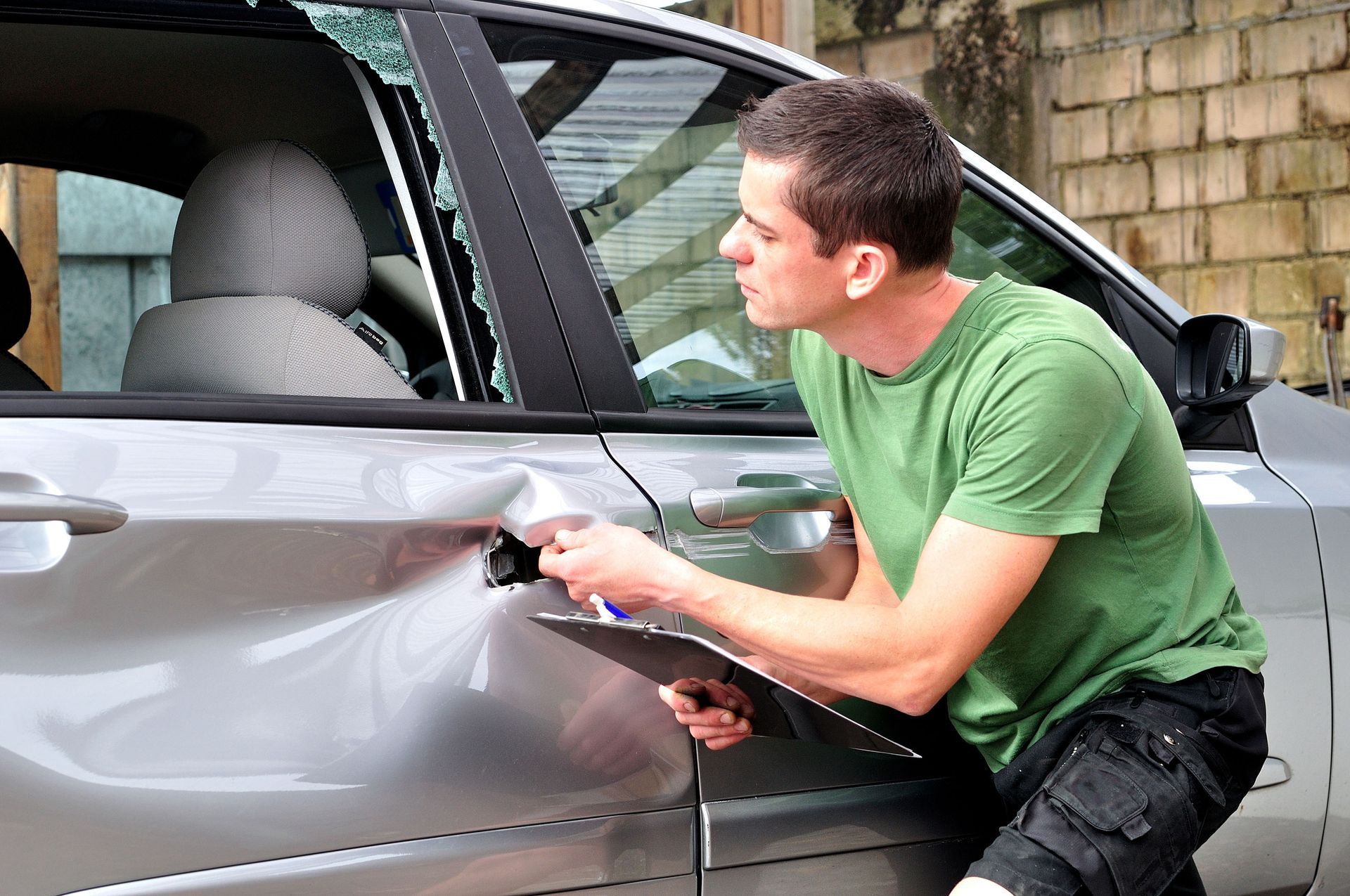
Ensuring that your vehicle is repaired properly after a collision is crucial for both safety and functionality. With so many local collision repair shops available today, it can be overwhelming to choose the right one. According to the U.S. Bureau of Labor Statistics, there are roughly 246,000 collision repair workers in the U.S., each contributing to a wide range of experiences and skills. Making informed decisions about local collision repairs not only safeguards your investment but also ensures long-lasting repairs and peace of mind while driving. However, common mistakes in choosing a repair service can lead to subpar repairs and further expenses. Thus, understanding these potential pitfalls and avoiding them can make all the difference in the quality of service received.
One of the most critical steps in ensuring quality outcomes is selecting the right shop for local collision repairs. This involves careful consideration and a comprehensive evaluation, taking into account factors like experience and capability. It's not just about getting the job done; it's about getting it done right. Many vehicle owners have learned this the hard way by overlooking crucial aspects that impact the overall repair process. Addressing these potential issues head-on can save time, money, and frustration in the long run.
As the old adage goes, prevention is better than cure. By understanding and avoiding common mistakes, vehicle owners can ensure quality results, extend the life of their vehicles, and maintain their value. Through this comprehensive guide, we will navigate the complexities of choosing a shop, understand the importance of skilled technicians, and discuss the necessity of thorough inspections and clear communication. With these strategies in hand, you'll be well-equipped to manage all your local collision repairs effectively. Here are four collision repair mistakes to avoid.
1. Overlooking Repair Estimates
Avoiding surprises in repair costs starts with procuring detailed estimates from repair shops. These estimates should cover every aspect of the proposed work, giving you a clear understanding of expected expenses when scheduling local collision repairs. Vague or unclear estimates could lead to hidden costs that might inflate your final bill. By requesting comprehensive estimates, you encourage transparency, build a clear line of communication, and mitigate potential disputes about costs. It's essential to ensure that everything, from labor hours to individual parts, is included in the estimate to avoid later charges that could disrupt your budget.
Detailed estimates empower you to analyze and compare what different repair shops offer. Make it a priority to cross-check each estimate for thoroughness and clarity. Elements of a detailed estimate might include labor costs, parts to be used, timelines, and potential additional fees. Being informed empowers you to hold the repair shop accountable to the initial cost projections. This clarity not only helps define potential savings but also prevents unexpected costs from becoming future financial burdens.
Taking the initiative to secure detailed estimates displays diligence and foresight. The goal is not just to choose the first feasible option but to gain clarity in decision-making. Most reputable repair shops will readily provide detailed estimates as part of their service standard. This approach indicates their commitment to transparency, reliability, and professional ethics. Make it a point never to settle for less than a thoroughly detailed estimate before committing to a repair service.
2. Not Comparing Estimates From Multiple Shops
One common pitfall when booking local collision repairs is failing to compare estimates from different shops. Without this comparison, you may mistakenly opt for the most expensive or the cheapest alternatives, both of which can lead to suboptimal outcomes. Obtaining multiple estimates allows you to recognize standard pricing for the repairs required and identify any outliers. It provides you an opportunity to consider not just the cost, but also other important factors like the reputation and adequacy of shop facilities and service. This strategic evaluation can lead to a more balanced decision, ensuring value for money in the repair work undertaken.
Comparing estimates doesn't only focus on selecting the least expensive option but gives insight into what's included in each quote. This comparative approach helps identify additional services that might be beneficial yet absent in cheaper estimates. Equipped with multiple estimates, you can question and negotiate specifics, seeking clarification or adding needed services. Availing multiple estimates is a proactive step, ruling out shops that might shortchange you on service quality in an attempt to offer the lowest prices. Informed comparison aids in making the most effective and financially sound decision for your vehicle repair needs.
It's crucial to approach each option with a discerning eye when comparing estimates from various shops. Request transparency on why pricing varies between shops. Look for potential hidden costs that could become apparent later. By assessing estimates from several sources, you're able to decide which shop genuinely offers the best combination of price, service, and quality. The final decision isn't just a matter of cost but ensuring comprehensive local collision repairs that value your investment.
3. Ignoring the Difference Between OEM vs. Aftermarket Parts
The debate between OEM (Original Equipment Manufacturer) and aftermarket parts is central to local collision repairs. OEM parts are built to the exact specifications and standards as the original parts of your vehicle, ensuring compatibility and quality. These parts typically come with a price premium, but their superiority can be seen in their performance and longevity. In contrast, aftermarket parts are generally more cost-effective but can vary widely in quality, material, and fit. Making an informed decision between these options impacts the quality of the repair and the future functionality of the vehicle.
OEM parts are framers of reliability but can significantly elevate repair costs, making them a less appealing option for budget-conscious consumers. However, this cost is offset by the guarantee of compatibility and seamless integration with your vehicle's existing systems. Aftermarket parts, despite their affordability, come with potential uncertainties regarding their fit and quality standards. Proponents of aftermarket solutions argue for economical pricing and diverse availability, but this often involves compromises in compatibility and durability. Ultimately, it's crucial to weigh the long-term value of each option against its immediate financial implications.
Choosing between OEM and aftermarket parts requires striking a balance between quality demands and cost constraints. Each choice comes with unique advantages and inherent trade-offs, necessitating individual assessment based on personal preferences and vehicle needs. Before making a decision, consult with your repair shop to fully understand each option's implications on repair outcomes and future vehicle performance. Consider factors like warranty implications, parts lifespan, and overall cost-effectiveness. A thorough understanding of the ramifications of either choice ultimately allows more informed decisions concerning repair materials.
4. Neglecting to Verify the Origin and Quality of Materials
Verifying the origin and quality of repair materials is fundamental in assuring long-term durability and effectiveness. Not every shop places emphasis on material quality, leading to potential compromises during local collision repairs. Scrutinize each component or material sourced for use in your repair to ensure they meet industry standards. Understanding where parts and materials come from gives insight into their potential fit, function, and longevity. By verifying material quality, you aim to avoid suboptimal repairs that could require rework, leading to additional, unexpected costs.
Some shops might use low-cost materials to maximize their profits, which impacts repair longevity and vehicle performance. Insist on standard-assured and verified parts to avert the pitfalls associated with inferior materials. Quality assurance can influence repair effectiveness, impact safety, and dictate the repair timeline.
Navigating collision repairs doesn't have to be an overwhelming or uncertain process. By staying informed, obtaining detailed written estimates, comparing multiple quotes, and insisting on quality materials and certified technicians, you maintain full control over your vehicle's safety and value. Steering clear of common decision-making pitfalls ensures that your car receives the precise care it needs to perform reliably for years to come. Ultimately, investing a little extra time up front to select a transparent, reputable repair shop is the best way to guarantee high-quality craftsmanship, protect your financial investment, and enjoy total peace of mind every time you get back behind the wheel—so contact the experts at Select Line Collision today to get started on your vehicle's recovery.