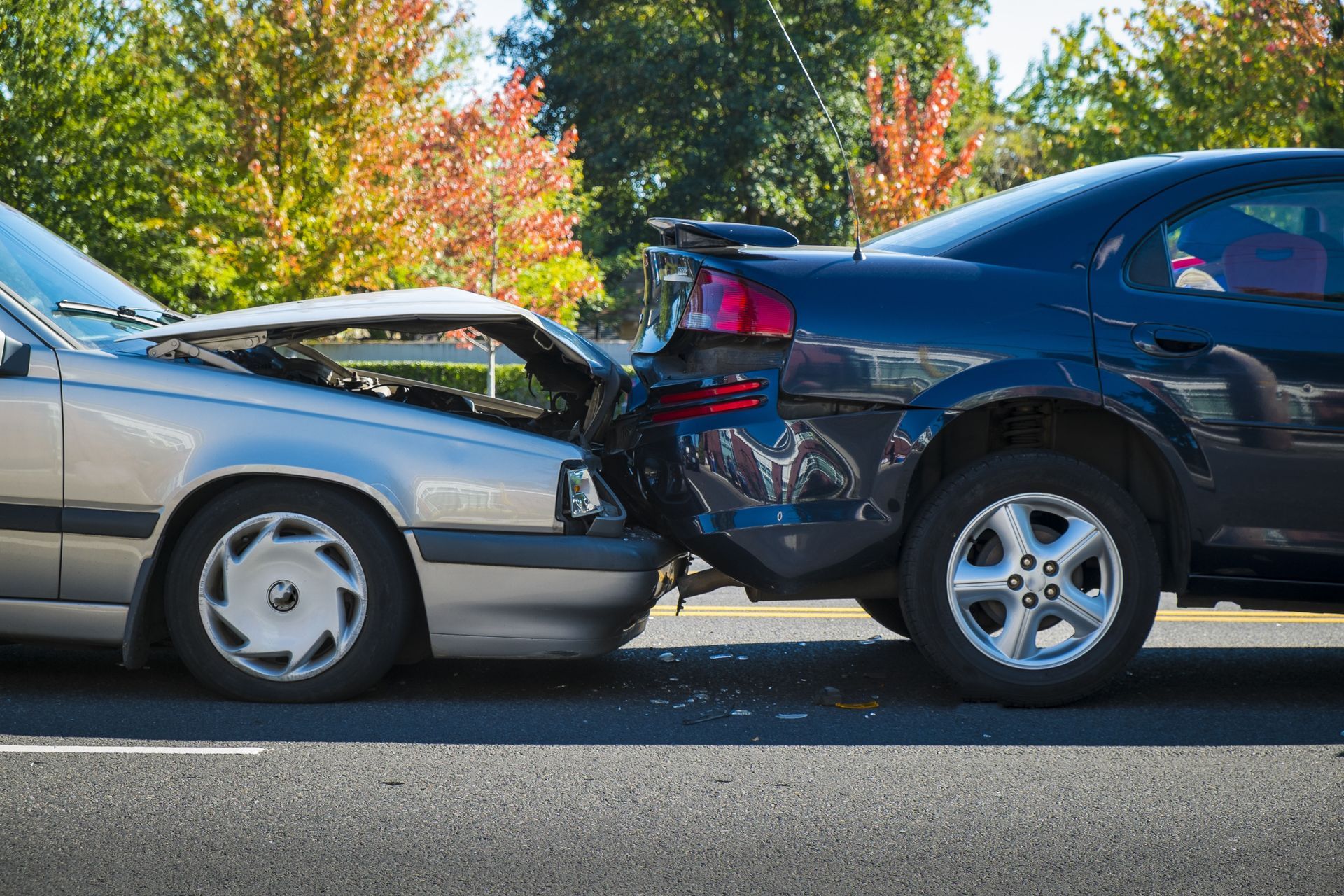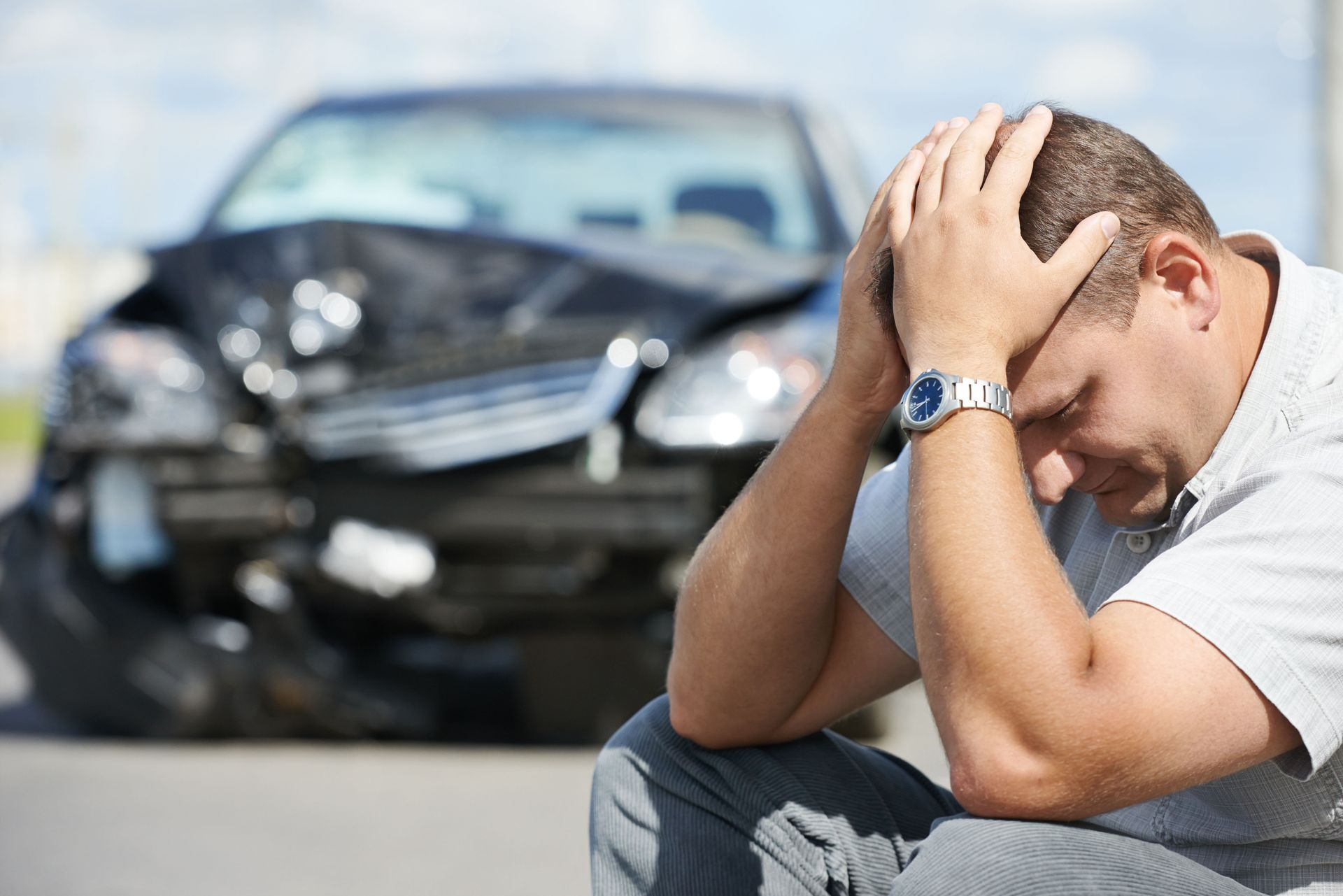
After a vehicle accident, most drivers focus on getting back on the road as quickly as possible. What often gets missed is how much value comes from a complete collision repair process that goes beyond surface-level fixes. Proper repair is not just about appearance; it plays a direct role in safety, performance, and long-term vehicle reliability. It also helps ensure that hidden damage, which is not always visible after an impact, is properly identified and addressed before it turns into larger mechanical issues. When done correctly, it can also protect financial value and reduce future risks that many drivers never anticipate. In many cases, the quality of the repair directly influences how well the vehicle performs in everyday driving conditions after the accident. Understanding these broader benefits helps drivers make more informed decisions after an accident.
1. Enhancing Structural Restoring
A key benefit of professional repair work is restoring a vehicle’s structural integrity after an impact. Even minor damage can affect how a car absorbs force in future accidents, which is why a full evaluation matters. Collision repair ensures the frame, crumple zones, and core support systems are returned as close as possible to manufacturer standards.
Modern vehicles are engineered with precise load paths that distribute energy during a crash. When those pathways are compromised, the safety of passengers can be reduced without obvious visual signs. This is why repair often involves deeper inspection than what drivers expect at first glance. The goal is not only to fix visible damage but to restore hidden structural strength that supports overall safety.
Drivers sometimes assume cosmetic repairs are enough, but that approach can leave underlying weaknesses untouched. A proper structural restore helps ensure the vehicle behaves as intended in future impact scenarios. That added protection is one of the most overlooked benefits in repair.
2. Strengthening Safety Calibrating
Modern vehicles rely heavily on advanced driver-assistance systems, and these systems often need recalibration after an accident. Cameras, sensors, and radar units can shift even in low-speed collisions. Collision repair includes restoring these systems so they function accurately and consistently.
According to ZipDo, certification is closely associated with how consumers perceive both safety and repair quality, which reinforces the importance of choosing qualified repair professionals. Certified facilities are more likely to follow manufacturer standards when recalibrating safety systems. That means features like lane assistance, automatic braking, and adaptive cruise control can operate as intended.
Drivers often underestimate how small misalignments can affect system accuracy. Even a slight deviation in sensor angle can lead to incorrect readings. Proper calibration ensures the vehicle responds correctly in real-world conditions, reducing risk and improving confidence behind the wheel. This is one of the most important yet overlooked aspects of collision repair.
3. Improving Alignment Correcting
Wheel and frame alignment are often disrupted during a collision, even when the damage seems minor. Misalignment can lead to uneven tire wear, steering issues, and reduced control on the road. Collision repair addresses these issues through precision measurement and correction.
When alignment is off, the vehicle may pull to one side or respond inconsistently during turns. This not only affects comfort but also increases the likelihood of long-term mechanical strain. Proper correction ensures that all wheels work together in harmony with the suspension system.
Drivers usually notice the difference immediately after repair. Steering feels tighter, braking becomes more predictable, and road handling improves overall. These changes highlight how important alignment is to everyday driving performance. Without it, even a repaired vehicle may continue to underperform in subtle but important ways.
4. Performance Tuning
Performance is another area significantly influenced by post-accident repair work. Suspension systems, braking components, and drivetrain alignment can all be affected during a collision. Collision repair restores these systems so the vehicle operates smoothly and efficiently.
A well-tuned vehicle provides a more comfortable driving experience with reduced vibration and noise. It also improves responsiveness, making acceleration and braking more predictable. These improvements are not just about comfort; they directly contribute to safer driving conditions.
Fuel efficiency can also be impacted when components are out of balance. Even minor misalignments can force the engine to work harder than necessary. After proper tuning, many drivers notice improved mileage and smoother operation. This is why performance restoration is a core benefit of professional repair, even if it is not immediately visible.
5. Increasing Resale Value Positioning
The condition of a vehicle after an accident plays a major role in its long-term market value. Buyers pay close attention to both appearance and repair history. Collision repair helps restore visual appeal while also ensuring mechanical systems are functioning correctly.
A well-repaired vehicle is far more attractive to potential buyers than one with visible or suspected damage. Paint consistency, panel alignment, and overall finish contribute to first impressions. These details often influence perceived value more than drivers expect.
Maintenance records also matter significantly during resale. Documented repair history shows that issues were handled professionally and not ignored. This builds trust and can positively influence pricing discussions. Overall, repair helps position a vehicle more competitively in the resale market by improving both appearance and buyer confidence.
6. Preventing Long-Term Damage Fixing
One of the most important but least visible benefits of repair work is preventing long-term damage. After a collision, small issues can develop into larger problems if left untreated. Collision repair identifies these hidden risks early and addresses them before they escalate.
Moisture intrusion is a common concern after body damage. If seals or panels are not properly restored, water can enter areas that lead to corrosion or electrical issues. Over time, this can significantly reduce a vehicle’s lifespan. Proper sealing during repair helps prevent these outcomes.
Hidden structural damage is another concern. Some issues are not immediately noticeable but can affect safety and durability over time. Thorough inspection ensures these problems are corrected early. This preventative approach reduces future repair costs and keeps the vehicle more reliable in the long run.
7. Supporting Financial Outcomes Managing
Repair decisions also have financial implications beyond the immediate cost of fixing damage. Insurance coverage, deductibles, and repair authorization processes all play a role in overall expense management. Collision repair providers often assist in navigating these systems more efficiently.
Many repair facilities offer workmanship guarantees, which provide added assurance that repairs meet quality standards. This reduces the likelihood of repeat repairs and unexpected expenses. Efficient handling of insurance claims can also speed up approval timelines and reduce downtime.
Choosing authorized repair shops can further support financial protection. These facilities typically follow manufacturer and insurer guidelines, which helps avoid coverage issues. While financial factors are often overlooked in the aftermath of an accident, they are a significant part of the overall value provided by repair.
Collision repair offers far more than surface-level restoration. It supports structural integrity, improves safety system accuracy, enhances driving performance, and protects long-term financial value. It also helps prevent hidden damage from developing into costly future problems that may not appear until well after the initial incident. Beyond immediate fixes, it contributes to overall vehicle longevity by ensuring that both visible and underlying systems are properly evaluated and restored to working condition. When approached with a full understanding of its benefits, collision repair becomes an essential part of responsible vehicle ownership after an accident. For drivers seeking reliable results and long-term confidence on the road, contact Select Line Collision.